
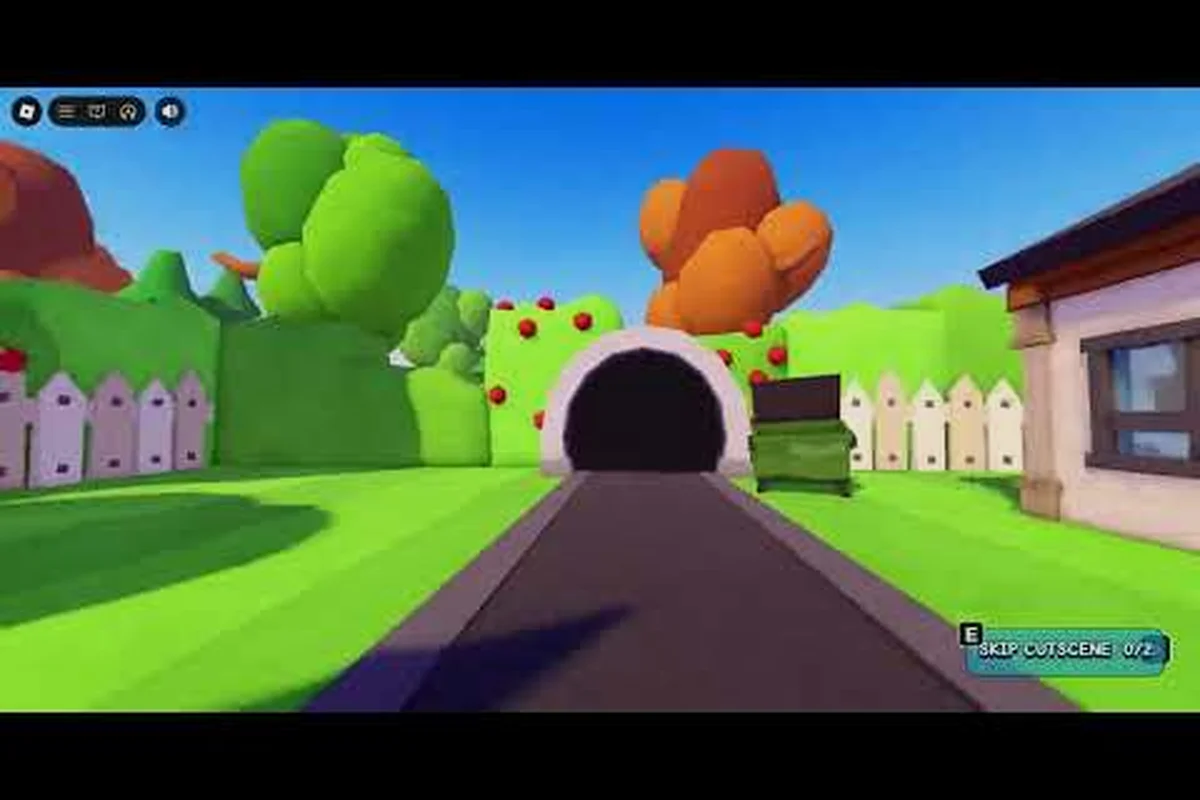
A clean house sells faster and for more money, which is why every serious flipper eventually builds a repeatable cleaning routine. This flip a house cleaning guide breaks down the exact tool priority, wall and floor sequence, and upgrade timing that turns a grimy property into a buyer-ready listing without wasting minutes on low-impact scrubbing.
Understand the Core Cleaning Loop
Cleaning in Flip a House is not a one-pass wipe-down. Each property starts with a fixed amount of Dirt, Trash, and Stains distributed across surfaces, and your job is to reduce the visible mess until the House Quality score climbs high enough to attract better Buyer Offers. The loop repeats across every room, but the tools you bring and the order you follow change how many seconds each room costs. Players who treat cleaning as a checklist finish properties in half the time of those who wander from wall to floor randomly, because the game rewards surface-specific tool matching.
The first decision is always tool selection. Your starter Vacuum handles loose debris on floors, while the Scrub Sponge tackles wall stains and the Brush reaches tight corners. Each tool has a hidden efficiency rating against specific mess types, so using the wrong tool on a stain does not simply slow you down—it can leave residue that requires a second pass. Community testing consistently shows that matching the tool to the surface is the single biggest speed lever in the early game, before any upgrades enter the picture.
| Surface Type | Best Tool | Common Mistake | Time Cost of Wrong Tool |
|---|---|---|---|
| Floor debris | Vacuum | Using sponge on floors | Adds 3-5 seconds per room |
| Wall stains | Scrub Sponge | Vacuuming walls | Stain persists, forces rework |
| Corner grime | Brush | Ignoring corners | Lowers House Quality score |
| Trash piles | Trash pickup | Vacuuming trash | Wastes durability |
The House Quality score is the real output metric. Every cleaned surface nudges the score upward, but the final Buyer Offer also factors in furniture placement and overall room condition. That means cleaning is not a standalone chore—it is the foundation that makes every later upgrade and furnishing decision pay off. If you skip corners or leave wall stains behind, you are effectively capping the sale price before you even list the property.
Prioritize Your Cleaning Tools
Not every tool deserves your first upgrade token. The flip a house cleaning tools hierarchy matters because early currency is scarce, and spending it on the wrong gear delays every subsequent flip. The Vacuum is the workhorse of the early game, since floors represent the largest continuous surface area in most properties. Upgrading vacuum speed and suction radius first compresses the most time per run, which is why experienced flippers call it the default first buy.
The Scrub Sponge is the second priority, but only after you have a vacuum that clears floors in one pass. Wall stains are common in mid-tier properties, and a weak sponge forces you to scrub the same patch multiple times. The Brush matters least in the early game because corner grime contributes less to the House Quality score than full-surface dirt, though it becomes more valuable once you start flipping larger multi-room houses.
| Tool | Upgrade Priority | Primary Benefit | When to Buy |
|---|---|---|---|
| Vacuum | 1st | Faster floor clearing | Immediately |
| Scrub Sponge | 2nd | One-pass wall stain removal | After vacuum upgrade |
| Brush | 3rd | Corner and edge coverage | Before large houses |
| Trash pickup | Passive | No upgrade needed | Always available |
The flip a house best vacuum question comes up constantly in community discussions, and the answer is less about a single model and more about upgrade timing. A mid-tier vacuum with two speed upgrades outperforms a top-tier vacuum with no upgrades, because the percentage-based improvements stack multiplicatively. Players who rush the most expensive vacuum before upgrading their current one report slower overall flips, since they spent tokens on base stats instead of compounding efficiency.
Clean Walls Before Floors
The order of operations matters more than most new flippers realize. Walls should always come before floors because scrubbing walls loosens dust and debris that falls downward, which means cleaning floors first forces you to vacuum the same area twice. This flip a house how to clean walls sequence starts at the top of each wall and works downward in horizontal bands, catching drips and streaks before they settle into the baseboard.
Wall cleaning also reveals hidden stains that are not visible from the default camera angle. Moving close to the wall and angling the camera slightly downward exposes surface stains that would otherwise go unnoticed, and missing them leaves a permanent ding on the House Quality score. The Scrub Sponge is the only tool that removes these stains in a single pass, so keeping it equipped during the wall phase saves a tool-swap animation every few seconds.
Wall Cleaning Sequence
-
Start at the top corner nearest the door and work left to right.
-
Scrub in horizontal bands, overlapping each pass by about 20 percent.
-
Check baseboards for drip stains after finishing the main surface.
-
Use the Brush on corners and edges where the sponge cannot reach.
-
Re-scan the wall from a distance to catch any missed patches.
The flip a house how to clean floors step only begins after every wall in the room is fully clear. Vacuuming is faster than scrubbing, but it still benefits from a planned path. Working from the farthest corner back toward the door prevents you from walking over freshly cleaned areas and re-depositing dirt, which is a subtle but real time loss that compounds across a full property.
Optimize Floor Cleaning Speed
Floor cleaning is where most of your total time goes, so small efficiency gains here produce the largest overall improvement. The core technique is overlap vacuuming: moving the vacuum in slightly overlapping rows rather than random sweeps ensures no debris is missed on the first pass. Players who vacuum in a spiral pattern from the room center outward report fewer missed spots than those who follow straight lines, because the spiral naturally covers edges and corners without backtracking.
The vacuum upgrade path is the most direct way to compress floor time. Each upgrade tier increases suction radius and movement speed while vacuuming, which means you cover more square footage per second. The difference between a base vacuum and a fully upgraded one is roughly a 40 percent reduction in floor cleaning time, based on community testing across identical property layouts.
| Vacuum Tier | Suction Radius | Movement Speed | Relative Clear Time |
|---|---|---|---|
| Starter | Small | Slow | 100% (baseline) |
| Mid-tier | Medium | Medium | 75% |
| Upgraded mid-tier | Large | Fast | 60% |
| Top-tier + upgrades | Extra large | Very fast | 40% |
The flip a house vacuum upgrade decision should be made before you start a property, not during it. Upgrading mid-run costs you a trip back to the upgrade station and breaks your cleaning rhythm, which erases some of the time you saved. Plan your upgrade purchases between flips, and only return mid-property if you hit a wall that a better vacuum would clearly solve.
Build a Repeatable Cleaning Routine
Consistency beats raw speed in Flip a House because the game rewards predictable execution. A repeatable routine removes decision fatigue and lets you focus on the mechanical execution of each surface. The best routines follow a room-by-room sweep that treats each space as a self-contained unit: walls first, then floors, then a final corner check before moving on.
The Smile Sponge and Turbo Detergent items change this routine once unlocked, because they add passive cleaning speed that applies to every surface. The smile sponge guide explains how these efficiency items stack with your tool upgrades, but the short version is that they turn a two-pass room into a one-pass room. That single change is worth more than any individual tool upgrade, which is why players who rush these items consistently outpace those who focus only on vacuum tiers.
Routine Checklist
-
Enter the room and scan for Trash piles first, clearing them before any scrubbing.
-
Work walls top-to-bottom with the Scrub Sponge, checking baseboards before moving on.
-
Vacuum floors from the farthest corner back toward the door using overlapping rows.
-
Hit corners and edges with the Brush to catch residual grime.
-
Do a final visual sweep from the doorway to confirm the House Quality score is climbing.
The upgrades guide covers the full gear list and upgrade order in more detail, but the cleaning-specific takeaway is that routine structure matters as much as raw tool power. A player with a mid-tier vacuum and a tight routine will beat a player with a top-tier vacuum and a chaotic approach on nearly every property, because the routine eliminates wasted movement and rework.
Avoid Common Cleaning Mistakes
Most cleaning mistakes in Flip a House come from impatience, not lack of knowledge. The most frequent error is skipping the wall phase and going straight to floors, which forces a second vacuum pass after scrubbing loosens debris. Another common mistake is over-cleaning low-impact surfaces like corners and baseboards before the main floor and wall areas are clear, which wastes time on surfaces that contribute little to the House Quality score.
The wrong-tool penalty is also widely underestimated. Using the Scrub Sponge on floor debris does not just take longer—it can push debris around without actually removing it, creating a false sense of progress. The game tracks actual surface cleanliness, not visual effort, so a surface that looks cleaner but still has hidden residue will not contribute to the score.
| Mistake | Symptom | Fix |
|---|---|---|
| Cleaning floors before walls | Double vacuum pass | Always walls first |
| Over-cleaning corners | Slow room completion | Clear main surfaces first |
| Wrong tool on stains | Stain persists after pass | Match tool to surface |
| Ignoring baseboards | House Quality stalls | Check baseboards every room |
The how to get better guide digs into broader gameplay mistakes, but the cleaning-specific fixes above will immediately improve your per-property time. The key is to treat each mistake as a process failure rather than a skill gap—fix the routine, and the speed follows.
Frequently Asked Questions
What is the best order for cleaning a room in Flip a House?
Start with trash pickup, then clean walls top-to-bottom with the Scrub Sponge, and finish with floor vacuuming from the farthest corner back toward the door. This order prevents debris from falling onto clean floors and eliminates the need for a second vacuum pass.
Which cleaning tool should I upgrade first?
Upgrade the Vacuum first because floors represent the largest surface area in every property. A faster vacuum compresses the most time per run, and the percentage-based upgrades stack multiplicatively, making early vacuum investment the highest-impact spending decision.
How do I clean walls faster in Flip a House?
Work in horizontal bands from the top of the wall downward, overlapping each pass by about 20 percent. Equip the Scrub Sponge for one-pass stain removal, and check baseboards for drip stains after finishing the main surface to avoid missing hidden residue.
When should I buy a vacuum upgrade?
Buy vacuum upgrades between flips, not during a property run. Returning to the upgrade station mid-property breaks your cleaning rhythm and erases some of the time saved. Plan purchases after selling a house and before starting the next one.
Does cleaning order affect the final sale price?
Yes, because the House Quality score drives the Buyer Offer, and missed stains or debris directly cap that score. A complete cleaning routine that catches corners, baseboards, and hidden wall stains produces a higher sale price than a fast but incomplete pass.