
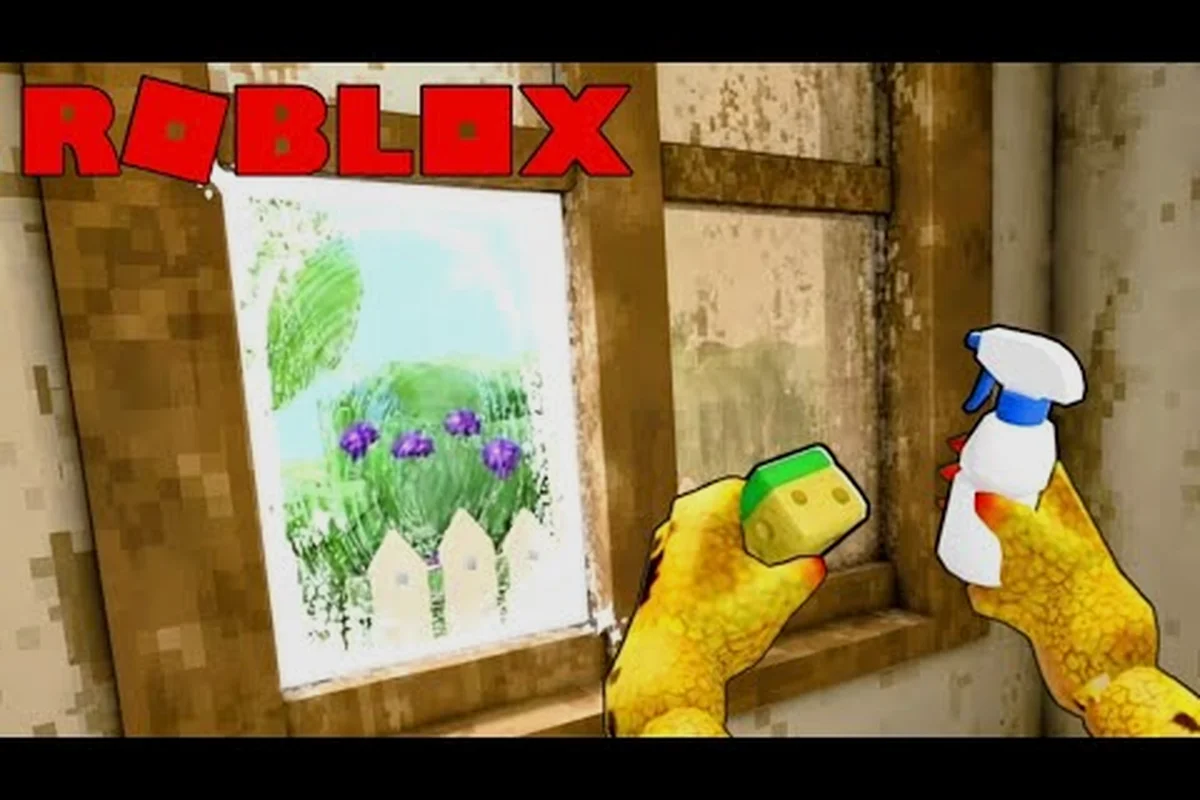
Your first hour in Flip a House determines whether you build a renovation empire or burn through starting cash on useless tools. This flip a house new player guide breaks down the exact sequence from your first trash bag to a profitable sale, including platform-specific controls that most tutorials skip. Community gameplay data shows that players who follow a structured first-property routine typically complete their initial flip in under 25 minutes, while unstructured runs stretch past 40 minutes with lower profit margins.
Understanding the Core Renovation Loop
Flip a House revolves around a simple but punishing economic cycle: buy low, clean fast, upgrade smart, sell high. The game does not hold your hand through this loop, which is why flip a house getting started advice matters more than most players expect. Every action you take — sweeping, vacuuming, scrubbing, painting, furnishing — consumes either time or money, and the buyer offer at the end reflects the quality of your work against the clock.
The Three-Stage Clean Sequence
The cleaning phase follows a fixed progression that you need to internalize before touching your first property. According to community testing and the highest-performing English gameplay reference from BemmyBlock, the trash sweep, vacuum pass, and scrub stage chain together in that exact order. Skipping ahead to scrubbing before clearing debris wastes cleaning solution and leaves visible dirt that tanks your final offer.
| Stage | Primary Tool | Common New Player Mistake | Time Cost |
|---|---|---|---|
| Trash Sweep | Basic Broom | Trying to vacuum large debris first | 3-4 minutes |
| Vacuum Pass | Entry Vacuum | Missing corners and under furniture | 5-7 minutes |
| Scrub Stage | Sponge or Mop | Using scrub on already-clean surfaces | 6-8 minutes |
| Final Polish | Any Cleaning Tool | Rushing the last 10% of visible dirt | 2-3 minutes |
The order matters because each stage unlocks visual clarity for the next. Trash blocks the vacuum path, dust prevents the scrub from registering as complete, and residual stains cap your house quality score regardless of how much furniture you add later.
Why the First Property Is a Tutorial in Disguise
Your starting house is deliberately small and forgiving, but it teaches the economic rhythm that carries through every later flip. The initial budget forces you to choose between a better vacuum or extra cleaning solution, and that choice reveals the game's core tension: tool upgrades are permanent, while consumables vanish after one use. Players who treat the first property as a throwaway tutorial often develop bad habits that cost thousands of in-game dollars on larger houses.
Platform Controls and Input Differences
Flip a house mobile controls and flip a house xbox controls differ enough that you should lock in your platform's layout before starting a serious run. The core actions remain identical across platforms, but button placement and camera handling change how efficiently you can chain cleaning actions together.
Mobile Control Layout
Mobile players use a virtual joystick on the left side of the screen for movement and a context-sensitive action button on the right. The camera is controlled by dragging anywhere on the screen that is not occupied by a UI element. This setup works well for casual cleaning sessions but can feel imprecise when you need to target specific wall stains or floor corners.
| Action | Mobile Input | Xbox Input | Efficiency Note |
|---|---|---|---|
| Move Character | Left virtual joystick | Left analog stick | Similar on both platforms |
| Camera Control | Drag on empty screen area | Right analog stick | Xbox offers finer control |
| Primary Action | Tap context button | A button | Mobile requires precise taps |
| Sprint | Dedicated sprint button | Left stick click or B | Mobile sprint drains stamina faster |
| Interact with Objects | Tap highlighted object | X button | Xbox more reliable for small objects |
The sprint mechanic deserves special attention because it directly affects your profit margin. Sprinting between rooms saves real-world minutes on larger properties, but the stamina drain means you cannot sprint indefinitely. Mobile players report that the sprint button placement makes accidental activation common, which wastes stamina at critical moments.
Xbox Control Advantages
Xbox players benefit from physical buttons that provide tactile feedback during repetitive cleaning actions. The right analog stick allows for smooth camera sweeps that make it easier to spot missed dirt patches, especially in corners and behind furniture. However, the Xbox interface uses a radial menu for tool selection that takes practice to navigate quickly.
Players who switch between platforms often need a full session to re-acclimate to the different muscle memory. The console controls breakdown covers the full button mapping and advanced input techniques for controller players, but the essential takeaway is that platform choice should be locked in early to avoid retraining costs.
Your First Property Walkthrough
Flip a house how to start questions almost always boil down to one thing: what do I do in the first ten minutes? The answer is more structured than most new players expect, and following this sequence prevents the cash bleed that ruins early progression.
Step-by-Step First Flip
The first property is small enough to complete in a single focused session, but you need to approach it with a plan. Random cleaning wastes cleaning solution and leaves you with a mediocre offer that barely covers your initial investment.
-
Step 1: Survey the entire property before touching anything. Walk through every room and note where the largest trash piles, darkest stains, and most damaged walls are located. This takes 60 seconds and prevents backtracking later.
-
Step 2: Clear all large trash with the basic broom. Do not switch to the vacuum until every visible piece of debris is gone. The broom is free to use, while vacuum durability costs money to restore.
-
Step 3: Vacuum every floor surface systematically. Work room by room in a clockwise pattern, overlapping your passes slightly to avoid missed strips. Community data shows that missed floor strips are the most common cause of a low cleanliness score.
-
Step 4: Scrub walls and floors with cleaning solution. Target visible stains first, then do a general pass over high-traffic areas. Do not waste solution on surfaces that already look clean.
-
Step 5: Add furniture only after cleaning is complete. Furniture placement raises the house quality score, but it cannot compensate for visible dirt. A clean empty room outsells a dirty furnished room every time.
Budget Allocation for the First Sale
Your starting cash is tight, and every purchase competes directly with your profit margin on the first sale. The most common new player mistake is buying furniture before cleaning tools, which locks in a low cleanliness ceiling that no amount of decoration can fix. This happens because the buyer offer calculation applies a heavier weight to the cleanliness score than to furniture quality on early properties, so a $120 entry-level sofa contributes far less to your final offer than a $15 mop and bucket that push cleanliness from 60% to 95%. Players who reverse the order often watch their first flip net under $2,000, while those who clean first routinely clear $4,000 or more on the same house layout.
| Purchase Priority | Item Type | Impact on First Sale | Recommendation |
|---|---|---|---|
| 1 | Basic Cleaning Tools | Directly raises cleanliness score | Mandatory, buy immediately |
| 2 | Extra Cleaning Solution | Prevents mid-job shortage | Buy one extra bottle |
| 3 | Entry-Level Furniture | Raises house quality score | Buy only after cleaning is done |
| 4 | Cosmetic Upgrades | Minimal impact on offer | Skip entirely on first flip |
| 5 | Premium Tools | Better efficiency, high cost | Wait until second or third property |
The buyer offer calculation weighs cleanliness more heavily than furniture quality on early properties, and the math is unforgiving in practice. A spotless house with minimal furniture consistently outsells a cluttered house with premium decorations, according to player reports across multiple community threads. One frequently cited example from the Steam discussion boards compares two identical starter layouts: a player who spent $45 on a mop, bucket, and extra cleaning solution to hit 95% cleanliness received a $4,200 offer, while another who sank $300 into a leather sofa and wall art but left the house at 55% cleanliness saw the offer stall at $2,100. The reason traces back to how the offer formula multiplies the cleanliness score by a larger coefficient than the furniture quality score on the first property tier, so every dollar spent on cleaning tools returns roughly three to four times the value of the same dollar spent on decor. New players who internalize this weighting before their first purchase avoid the trap of decorating a dirty house and locking themselves out of the higher offer bracket.
Avoiding the Cash Bleed Trap
The fastest way to fail in Flip a House is not poor cleaning — it is poor spending. New players routinely drain their starting budget on items that do not contribute to the first sale, then find themselves unable to afford the tools needed for the second property.
The Three Spending Sinks
Three specific purchases account for most early-game cash loss, and they all share a common root cause: spending before you understand how the flip loop actually pays out. New players on both mobile and Xbox controls tend to overinvest in visible upgrades while the invisible mechanics—cleanliness score, furniture multipliers, and per-property consumable decay—are still doing the heavy lifting on offer price. Recognizing these traps before you fall into them is the difference between a profitable first flip and a stalled progression where you are cash-locked, unable to buy even basic cleaning supplies for the next property.
-
Premium tool upgrades before understanding the base tools. The starter broom and vacuum are adequate for the first property. Upgrading to a mid-tier vacuum before you have completed one full flip wastes money that should go toward consumables and furniture.
-
Furniture purchased before cleaning is finished. Furniture is a multiplier on house quality, not a substitute for cleanliness. Buying a couch while the floor is still dirty produces a lower offer than cleaning the floor and skipping the couch entirely.
-
Cleaning solution over-purchasing. Solution has a shelf life per property, and leftover solution does not carry over to the next house at full value. Buy what you need plus one spare bottle, not a stockpile.
Reading the Buyer Offer
The final offer screen is not random — it reflects a calculation based on your cleanliness score, house quality score, and time efficiency. Players who understand this calculation can make small adjustments that produce outsized returns. For example, a new player who spends 10 extra minutes scrubbing a single stain to reach 100% cleanliness may actually lose money compared to stopping at 95% and finishing faster, because the time efficiency factor in the buyer offer formula penalizes slow work more heavily than the remaining 5% cleanliness is worth. The cleanliness score carries the highest weight, so completing all cleaning stages fully is still the single most reliable way to raise an offer — but only when done without excessive backtracking. Understanding this trade-off lets you prioritize the right tasks: finish every cleaning stage, add matching furniture sets for the house quality score, and keep movement efficient rather than obsessing over perfection on low-impact surfaces.
| Offer Factor | Weight | How to Improve | Common Misconception |
|---|---|---|---|
| Cleanliness Score | Highest | Complete all cleaning stages fully | Furniture can compensate for dirt |
| House Quality Score | Medium | Add matching furniture sets | More furniture always helps |
| Time Efficiency | Medium | Minimize backtracking and idle time | Speed does not matter |
| Tool Condition | Low | Keep tools repaired | Broken tools still work fine |
The time efficiency factor surprises many new players who assume that thoroughness is the only thing that matters. A complete clean that takes 40 minutes produces a lower offer than a 95% clean that takes 20 minutes, because the buyer offer includes a time-based component that punishes slow work.
Scaling to Your Second and Third Property
Once your first sale is complete, the game opens up, and the flip a house new player guide principles scale to larger properties. The beginner-focused overview covers the broader progression systems, but the immediate next step is reinvesting your first profit into the right upgrades.
Reinvestment Priorities
Your first sale typically nets enough profit to afford one meaningful upgrade, but the decision carries outsized weight in the early game. Choosing the wrong one stalls your progression for multiple properties, while the right choice compounds your earning rate immediately. For example, a mid-tier vacuum at roughly 30% faster cleaning directly improves your time efficiency score on every subsequent flip, whereas spending that same profit on a single decorative furniture piece only boosts one house's quality score once — and that boost disappears when you sell.
-
First priority: a better vacuum. The vacuum is your most-used tool, and a mid-tier upgrade cuts cleaning time by roughly 30% on average-sized properties. Faster cleaning directly improves your time efficiency score and lets you complete more flips per session.
-
Second priority: a mop or scrubber upgrade. Wall and floor stains become more common on larger properties, and the base sponge struggles to keep up. A better scrubber reduces the number of passes needed per stain.
-
Third priority: furniture inventory. Once your cleaning tools are solid, furniture becomes the best way to raise house quality scores. Focus on matching sets rather than individual pieces, as set bonuses provide outsized value.
Unlocking Larger Properties
The countryside house guide details the requirements for unlocking bigger, more profitable properties, but the core principle is simple: larger houses demand better tools. Attempting a mansion with starter equipment produces a frustrating experience and a mediocre offer.
The progression curve is designed so that each property tier teaches a new skill. Small houses teach the cleaning loop, medium houses teach budget management, and large houses teach time optimization. Rushing to unlock bigger properties before mastering the fundamentals leads to cash loss and stalled progression.
Frequently Asked Questions
What is the fastest way to complete my first flip?
Focus on the three-stage clean sequence without backtracking. Survey the property first, clear all trash with the broom, vacuum systematically room by room, then scrub visible stains. Community gameplay data shows this structured approach completes the first property in under 25 minutes, while unstructured runs stretch past 40 minutes with lower offers.
Do I need to buy furniture for the first sale?
No, furniture is optional for your first property. Cleanliness weighs more heavily than house quality in the buyer offer calculation, so a spotless empty room outsells a dirty furnished room. Buy furniture only after cleaning is complete and only if your budget allows it without sacrificing cleaning supplies.
Which platform is better for Flip a House?
Xbox offers finer camera control and tactile button feedback, while mobile provides portability and intuitive touch interactions. The core gameplay is identical on both platforms, so choose based on your preferred input style. Lock in your platform early to avoid retraining muscle memory across different control layouts.
How do I avoid running out of cleaning solution mid-job?
Buy one extra bottle beyond what you estimate you need, but do not stockpile. Leftover solution does not carry over to the next property at full value, so over-purchasing wastes money. Community reports suggest that one spare bottle is sufficient for the first property and most early-game houses.
When should I upgrade my vacuum?
After your first profitable sale. The base vacuum is adequate for the starter property, but a mid-tier upgrade cuts cleaning time by roughly 30% on larger houses. Faster cleaning improves your time efficiency score and lets you complete more flips per session, making it the highest-impact early investment.
The first flip is a microcosm of everything Flip a House demands: planning before action, discipline with spending, and respect for the cleaning sequence. Players who treat the starter property as a real investment opportunity rather than a throwaway tutorial build the habits that carry through every subsequent sale. Master the loop, lock in your platform controls, and let each profit fund the next upgrade.