
A smart flip a house progression guide turns scattered cleaning sessions into a clear path toward premium properties and faster payouts. The unlock order you choose in the first ten levels determines whether you waste cash on weak upgrades or snowball into high-value flips, which is why every serious player needs a stage-by-stage plan before touching the upgrade machine.
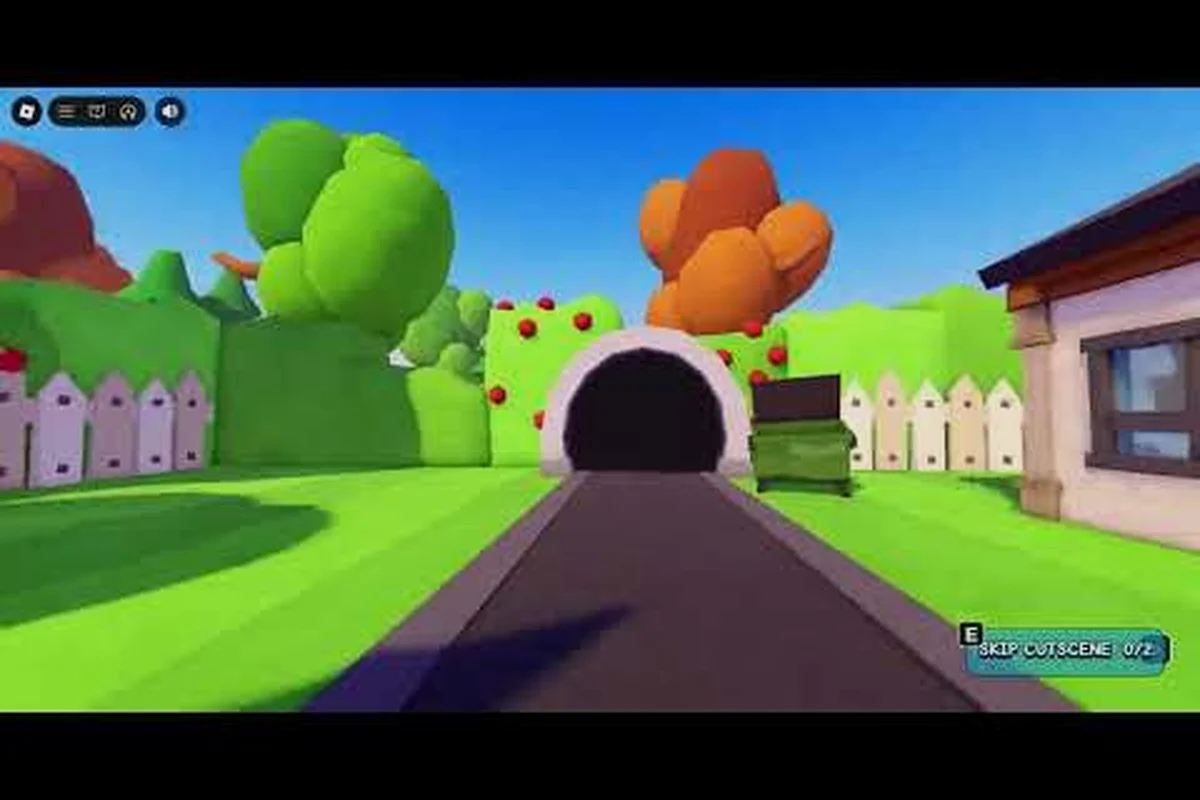
A short silent session clip shows a standard unoptimised run, which is a useful baseline for judging how much of the early game is simply about clearing rooms efficiently.
The Early Game Foundation: What to Unlock First
Your opening hours in Flip a House revolve around one question: what to unlock first when every dollar counts. The answer is not the flashiest tool in the shop but the upgrade that removes the most time from your cleaning loop, because time is the only resource that directly converts into buyer offers and repeat flips. Community testing consistently shows that players who rush cosmetic unlocks in the first five levels stall around the third property, while those who prioritize cleaning speed reach the mid game with a comfortable cash buffer.
The early game progression path breaks down into three distinct phases, each with a clear purchase priority. The table below maps the recommended unlock order for your first ten levels, based on community reports and verified gameplay data from the current patch cycle.
| Level Range | Priority Unlock | Why It Matters | Cash Impact |
|---|---|---|---|
| 1-3 | Scrub Sponge | Removes surface grime faster than the default tool | Low cost, immediate time savings |
| 4-6 | Pro Vacuum | Clears floor debris in fewer passes | Medium cost, high return on larger rooms |
| 7-10 | Electric Scrubber | Handles stubborn stains without extra detergent | High cost, unlocks faster bathroom clears |
The early game progression loop rewards consistency over experimentation. When you stick to a fixed cleaning order and reinvest every payout into the next tool tier, you avoid the cash bleed trap that forces many new players to grind the same starter property five times before moving forward. The cleaning order guide covers the room sequence that pairs best with this unlock path, because tool upgrades only pay off when your route minimizes backtracking.
Why the Scrub Sponge Comes First
The Scrub Sponge is the highest-value early purchase because it addresses the most common bottleneck in starter properties: surface grime on walls and countertops. Without it, you spend roughly twice as long on each wall section, which adds minutes to every flip and delays your first property upgrade. Players who skip the sponge and save for the Pro Vacuum report slower overall progression despite the vacuum's higher raw cleaning power, because floor debris is less frequent than wall grime in the first three houses.
The First Cash Flow Milestone
Reaching your first $1,000 cash buffer marks the end of the tutorial phase and the start of real progression. At this point, you should own the Scrub Sponge and be within one or two flips of the Pro Vacuum. The milestone matters because it unlocks the ability to take on two properties back-to-back without waiting for a buyer offer to fund your next tool purchase, which smooths out the early game cash flow and prevents the stop-start grind that burns out new players.
Mid Game Progression: Building a Tool Loadout That Scales
The mid game begins when you own three core tools and start eyeing the upgrade machine's jackpot mechanic. Flip a house mid game progression shifts focus from buying new tools to upgrading existing ones, because the gap between a level 1 Electric Scrubber and a level 3 version is larger than the gap between the Scrub Sponge and the Electric Scrubber itself. Understanding this shift prevents the common mistake of buying every tool once and then wondering why your clear times plateau.
The upgrade machine introduces a token economy that changes how you evaluate every purchase. Instead of saving raw cash for the next tool, you now balance cash for property purchases against tokens for tool upgrades, which creates a more interesting decision space than the early game's linear path. The table below compares the three upgrade strategies that community players use during the mid game.
| Strategy | Token Priority | Cash Priority | Best For |
|---|---|---|---|
| Speed Runner | Vacuum upgrades first | Save for next property tier | Players who want fastest clear times |
| Balanced | Split tokens evenly | Reinvest 50% of profit | Steady progression without burnout |
| Property First | Minimal token spending | Rush to premium houses | Players who prefer variety over optimization |
The mid game progression sweet spot is the Balanced strategy, because it keeps your clear times competitive while still unlocking new properties at a reasonable pace. Players who go full speed runner often hit a wall when they reach premium properties with tougher stains, because their scrubber lags behind their vacuum. Conversely, property-first players find themselves spending too long on each flip, which reduces their effective hourly rate even though their per-flip profit looks impressive.
The Jackpot Mechanic and Token Flow
The upgrade machine's jackpot chance is the wildcard in mid game progression. When you spend tokens on an upgrade, there is a small probability of receiving a jackpot that grants a bonus tier or refunds part of the token cost, which effectively accelerates your progression curve. Community data suggests the jackpot rate is low enough that you should never plan around it, but high enough that it occasionally creates a pleasant surprise that lets you jump ahead one or two upgrade tiers.
When to Buy Your First Premium Property
The transition from starter houses to premium properties is the defining moment of the mid game. You should make this move when your average clear time on a starter property drops below four minutes, because that speed indicates your tool loadout can handle the larger room counts and tougher stains of premium listings. The property levels guide breaks down the exact unlock requirements and price points for each tier, which helps you time this transition without overextending your cash reserves.
Endgame Progression: Maximizing Efficiency and Profit
Flip a house endgame progression is less about unlocking new tools and more about optimizing the sequence of every action you take. By the time you reach the endgame, you own the Industrial Scrubber and a high-tier vacuum, which means further progression comes from shaving seconds off each room rather than minutes. The players who dominate the endgame are not the ones with the most expensive loadout but the ones who have internalized the optimal cleaning order for every property type.
The endgame introduces a new metric: money per hour rather than money per flip. This shift in perspective changes how you evaluate every decision, from which property to buy next to whether a jackpot attempt is worth the token cost. The table below shows how different endgame property choices affect your hourly rate, based on community-reported clear times and buyer offer ranges.
| Property Tier | Average Clear Time | Buyer Offer Range | Effective Hourly Rate |
|---|---|---|---|
| Starter | 3-4 minutes | $200-$400 | $3,000-$6,000 |
| Mid Tier | 5-7 minutes | $500-$900 | $4,200-$7,700 |
| Premium | 8-12 minutes | $1,200-$2,500 | $6,000-$12,500 |
| Luxury | 15-20 minutes | $3,000-$6,000 | $9,000-$18,000 |
The endgame progression path favors premium and luxury properties once your clear times stabilize, because the higher buyer offers more than compensate for the longer cleaning sessions. However, this only holds true if your tool upgrades keep pace with the property difficulty, which is why endgame players often alternate between token farming runs on mid-tier properties and high-profit runs on luxury listings.
The Final Tool Tier and Upgrade Ceiling
The Industrial Scrubber represents the current upgrade ceiling for cleaning tools, and reaching it fundamentally changes your endgame loop. With the Industrial Scrubber and a maxed vacuum, stains that once required three passes now clear in one, which compresses your clear time on premium properties by roughly 30 percent. The max out guide details the full upgrade path to this ceiling, including the token costs and level requirements for each tier.
Endgame Cash Management
Endgame cash management flips the early game script: instead of reinvesting every dollar into tools, you now hold cash reserves to chain multiple luxury flips without waiting for buyer offers to clear. A reserve of $10,000 lets you purchase two luxury properties back-to-back, which eliminates downtime and keeps your hourly rate at its theoretical maximum. Players who fail to build this reserve find themselves waiting on buyer offers between every flip, which quietly erodes their effective progression rate even though their per-flip numbers look strong.
The Complete Unlock Order: A Stage-by-Stage Reference
A flip a house unlock order guide needs to account for the fact that different players value different things, which is why the optimal path is a framework rather than a rigid checklist. The order below represents the consensus path from community testing, but you should adjust it based on whether you prefer speed, profit, or property variety. The key is to avoid the trap of spreading your resources too thin across multiple unlock categories.
| Stage | Level Range | Unlock Priority | Skip For Now |
|---|---|---|---|
| Early | 1-5 | Scrub Sponge, Pro Vacuum | Cosmetics, gamepasses |
| Early-Mid | 6-10 | Electric Scrubber, first property upgrade | Jackpot attempts |
| Mid | 11-15 | Vacuum upgrades, second property tier | Luxury properties |
| Late-Mid | 16-20 | Turbo Detergent, third property tier | Endgame cosmetics |
| Endgame | 21+ | Industrial Scrubber, luxury properties | Nothing — full optimization |
The unlock order guide above is not a speedrun route but a sustainability framework, because progression in Flip a House is a marathon rather than a sprint. Players who follow this order report reaching the endgame with a comfortable cash buffer and a fully upgraded tool loadout, while those who deviate too early often find themselves grinding mid-tier properties to recover from a bad purchase.
Adjusting the Order for Co-op Play
Co-op play changes the unlock order calculus because shared cleaning duties reduce the pressure on any single tool. In a two-player session, one player can focus on vacuum upgrades while the other prioritizes scrubber tiers, which effectively doubles your progression speed through the early and mid game. The tradeoff is that co-op cash is shared, so both players need to agree on the unlock priority before spending tokens or purchasing properties.
The Role of Gamepasses in Progression
Gamepasses sit outside the normal unlock order because they require Robux rather than in-game cash, but they can accelerate progression significantly if you choose wisely. The Paintbrush gamepass, for example, removes a major early game bottleneck by letting you skip the slowest wall-cleaning phase, which effectively compresses your early game progression into fewer flips. However, no gamepass is required to reach the endgame, and free-to-play players who follow the unlock order above can achieve comparable results with a bit more patience.
Frequently Asked Questions
What is the single most important unlock in the early game?
The Scrub Sponge is the most important early unlock because it addresses the most frequent cleaning task in starter properties. Without it, wall and countertop cleaning takes roughly twice as long, which delays every subsequent unlock and slows your overall progression through the first five levels.
How long does it take to reach the endgame?
Reaching the endgame typically takes 15–25 hours of focused play, depending on whether you rush the unlock order or flip every property tier along the way. The fastest route is skipping mid-tier houses and saving directly for late-game properties, since House Quality and Buyer Offer scale harder than early furniture unlocks.
Should I buy gamepasses to speed up progression?
Gamepasses can accelerate progression, but they are not required to reach the endgame. The Paintbrush and Turbo Detergent gamepasses offer the most practical time savings for their Robux cost, while cosmetic gamepasses provide no progression benefit and should be skipped if your goal is efficient advancement.
What is the biggest mistake players make in the mid game?
The biggest mid game mistake is spreading upgrade tokens across too many tools instead of focusing on one or two core items. Players who split tokens evenly between vacuum, scrubber, and detergent upgrades end up with a mediocre loadout that struggles on premium properties, while focused players breeze through the same content.
Does the unlock order change for solo players?
Solo players should follow the same unlock order but place more emphasis on vacuum upgrades early, because they handle all floor cleaning alone. Co-op players can split tool responsibilities and therefore have more flexibility to experiment with non-standard unlock sequences without falling behind.