
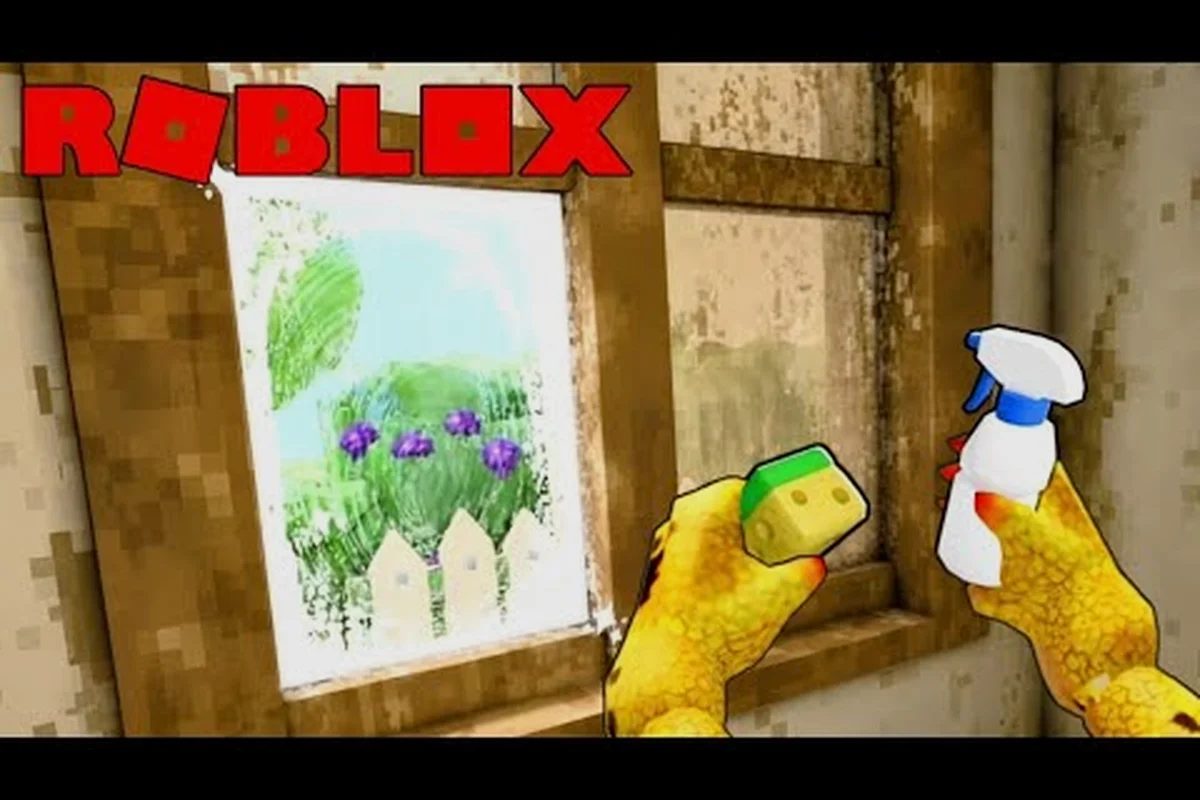
Understanding the complete flip a house all houses roster changes how you approach every renovation, because each property unlocks at a specific progression point and rewards a different profit ceiling. Players who treat every house as an identical cleaning job leave serious money on the table, while those who match their tool upgrades to the property tier consistently out-earn their peers. This guide breaks down the full property list, tier structure, and the single best house for maximizing your return on time.
Ghost_TOY's Portuguese-language first-session clip shows how a starting property looks before any unlocks, which is the honest baseline for comparing the early listings covered here.
The Complete Flip a House Property List
The flip a house house list is not a static menu that opens all at once. Instead, the game gates each property behind a House Quality threshold, which rises as you complete renovations and sell homes. Early properties teach you the core loop with forgiving layouts and cheap furniture requirements, while later homes demand faster cleaning cycles and more expensive staging choices. Knowing what is coming helps you avoid overspending on upgrades that a starter house never needs.
How Property Unlocks Work
Each house has a Buyer Offer range that scales with the property tier. When you first start, only the cheapest home is available, and your earnings are deliberately small. After each successful sale, your House Quality score increases, and the next property in the sequence unlocks. The progression is linear, meaning you cannot skip ahead to a high-value house without first grinding through the earlier tiers.
| Property Tier | Unlock Condition | Typical Buyer Offer Range | Difficulty |
|---|---|---|---|
| Starter | Available immediately | Low | Easy |
| Mid-Tier | First sale completed | Medium | Moderate |
| Upper-Mid | Multiple sales completed | High | Challenging |
| Endgame | Near-max House Quality | Very High | Demanding |
The table above reflects the general structure reported by players across multiple sessions. Exact offer values shift slightly based on your Cleaner Level and the furniture you place, so treat these ranges as directional rather than fixed numbers.
Starter House Breakdown
The flip a house starter house is intentionally forgiving. It features a small floor plan, fewer trash piles, and minimal stain coverage, which lets you practice the vacuum-to-scrub-to-furnish loop without time pressure. Because the starter property has a low profit ceiling, experienced players often rush through it quickly to reach the more lucrative mid-tier homes. However, skipping furniture entirely on the starter house is a mistake, since a bare home sells for far less than a minimally staged one.
House Tiers and Profit Scaling
The flip a house house tiers system is the backbone of the entire progression loop. Each tier raises the base value of the home, but it also increases the amount of work required to reach a high House Quality score. Understanding this trade-off is essential, because a mid-tier house that you can fully clean and stage in five minutes often outperforms an endgame house that takes fifteen minutes but only sells for slightly more.
Tier Comparison Table
| Tier | Cleaning Time Estimate | Furniture Cost | Profit Potential | Recommended Player Level |
|---|---|---|---|---|
| Starter | 2-3 minutes | Very Low | Low | 1-3 |
| Mid-Tier | 4-6 minutes | Low | Medium | 4-7 |
| Upper-Mid | 7-10 minutes | Medium | High | 8-12 |
| Endgame | 10-15 minutes | High | Very High | 13+ |
The profit potential column assumes you are using appropriate cleaning tools for your level. A player attempting an endgame house with a starter vacuum will spend far longer than the estimate and likely earn less per minute than they would on a mid-tier property. This is why the upgrades guide recommends matching your tool purchases to the house tier you are currently flipping.
Why Tier Skipping Fails
Some players try to rush the flip a house property list by saving every dollar and sprinting toward the most expensive home. This strategy backfires for two reasons. First, the game does not let you unlock properties out of order, so saving money without spending on upgrades only slows your progression. Second, even if you could access an endgame house early, your low-level tools would make the cleaning process so slow that your profit per minute would drop below what a mid-tier house offers. The tier system exists to pace your spending and force incremental tool investment.
House Types and Their Characteristics
The flip a house house types vary more in layout than in raw mechanics. Some homes feature narrow hallways that make vacuuming awkward, while others have open floor plans that let you clean large areas quickly. Bathrooms and kitchens tend to concentrate stains, which means you will spend more time scrubbing in those rooms regardless of the overall house size. Recognizing these layout patterns helps you plan your cleaning route before you even pick up the vacuum.
Layout Archetypes
| House Type | Layout Feature | Cleaning Challenge | Best Approach |
|---|---|---|---|
| Compact Starter | Single open room | Minimal trash | Vacuum first, then spot-clean |
| Split-Level Mid | Two distinct zones | Stairs create dead zones | Clean top floor first |
| Multi-Room Upper | Three or more rooms | Stains cluster in kitchen | Prioritize high-stain rooms |
| Luxury Endgame | Large open plan | High trash volume | Use upgraded vacuum for speed |
The Scrub Sponge and Brush become increasingly important as you move into multi-room homes, because stains are more numerous and more spread out. A player who relies only on the vacuum will leave visible dirt behind, which directly lowers the final Buyer Offer. Community testing suggests that fully removing stains contributes more to the sale price than any other single cleaning action.
Matching Tools to House Types
Your tool loadout should shift as you progress through the flip a house house types. Early homes respond well to the basic vacuum and a single scrubber, while later properties benefit from the Turbo Detergent upgrade and a faster vacuum model. The best gear for beginners guide breaks down the exact purchase order, but the core principle is simple: upgrade your vacuum first, then your stain removal tools, and only then your movement speed.
How to Choose the Best House for Profit
The flip a house best house question does not have a single answer, because the optimal property depends on your current level and tool setup. A house that pays well for a level 10 player may be a terrible choice for a level 4 player who lacks the cleaning speed to finish it efficiently. The real metric to track is profit per minute, not total sale price.
Profit Per Minute Calculation
To calculate your effective earnings, divide the final Buyer Offer by the total time spent cleaning, staging, and selling. A starter house that sells for a small amount in two minutes may actually beat an upper-mid house that sells for three times as much but takes eight minutes to complete. This is why many experienced players keep flipping mid-tier homes even after unlocking higher properties, because the time-to-profit ratio stays favorable.
| Scenario | House Tier | Sale Price | Time Spent | Profit Per Minute |
|---|---|---|---|---|
| A | Starter | 100 | 2 min | 50 |
| B | Mid-Tier | 250 | 5 min | 50 |
| C | Upper-Mid | 600 | 10 min | 60 |
| D | Endgame | 1200 | 15 min | 80 |
The table shows a simplified version of the math, but the principle holds in real play. As long as your tools keep pace with the house tier, higher-tier homes eventually win on profit per minute. The key is not to rush into them before you have the cleaning speed to handle the increased workload.
The Best House for Most Players
For the majority of the player base, the best house is the highest-tier property you can fully clean and stage in under six minutes. This sweet spot balances sale price against time investment and keeps the gameplay loop satisfying rather than tedious. If you find yourself spending more than eight minutes on a single house, you are probably attempting a property above your current tool level, and you should drop back one tier until your upgrades catch up. The late game houses guide covers the endgame properties in detail once you reach that point.
Advanced Property Strategies
Once you have unlocked the full flip a house all houses roster, the game shifts from progression to optimization. At this stage, your goal is not to unlock anything new but to maximize the profit you extract from each run. Small changes in your cleaning route, furniture placement, and tool usage compound into significantly higher earnings over dozens of flips.
Route Optimization
The fastest cleaners follow a consistent pattern: vacuum the largest open areas first, then tackle stains room by room, and finally place furniture in a single pass. This minimizes backtracking and keeps your movement efficient. Players who dart between rooms randomly waste seconds on every flip, and those seconds add up to minutes of lost profit over a long session. The Sprint upgrade, if you own it, further compresses your route by cutting travel time between cleaning zones.
Furniture Staging Efficiency
Furniture placement matters more in high-tier homes, because the base value is high enough that percentage bonuses from staging become substantial. A well-staged endgame house can sell for noticeably more than a bare one, while the same furniture in a starter home barely moves the needle. The furniture guide explains which pieces offer the best return per dollar spent, but the short version is that you should prioritize high-impact items in expensive homes and skip most furniture in cheap ones.
When to Sell Immediately
There is a temptation to always max out House Quality before selling, but this is not always optimal. If the marginal improvement from additional cleaning or staging is small, you are better off selling quickly and starting the next flip. Community data suggests that the final few percentage points of quality often require disproportionate effort, and the extra Buyer Offer they generate rarely justifies the time. Learning when to stop cleaning is a skill that separates efficient flippers from perfectionists who earn less per hour.
Frequently Asked Questions
What is the full flip a house all houses list?
The complete property list includes a starter home, several mid-tier houses, upper-mid properties, and endgame luxury homes. Each unlocks sequentially as your House Quality score rises from completed sales. The exact number varies by game version, but the progression always moves from small, cheap homes to large, expensive ones.
Which house is the best for making money fast?
The best house for fast money is the highest-tier property you can fully clean in under six minutes. Profit per minute matters more than total sale price, so a mid-tier house that you finish quickly often beats an endgame house that takes twice as long. Match your tool upgrades to the tier before moving up.
Do house types change the cleaning mechanics?
House types change layout and stain distribution rather than core mechanics. Multi-room homes concentrate stains in kitchens and bathrooms, while open-plan homes have more floor area to vacuum. The cleaning tools work the same everywhere, but your route planning must adapt to each layout to stay efficient.
Can I skip the starter house and go straight to better properties?
No, the game gates every property behind a House Quality threshold, so you must complete the starter house and sell it before the next tier unlocks. Saving money without spending on upgrades only slows your progression, because better tools are required to clean higher-tier homes efficiently.
How much does furniture affect the sale price?
Furniture staging adds a percentage bonus to the base Buyer Offer, and that bonus matters more in expensive homes. A fully staged endgame house sells for noticeably more than a bare one, while the same furniture in a starter home barely moves the price. Prioritize high-impact pieces in high-tier properties.